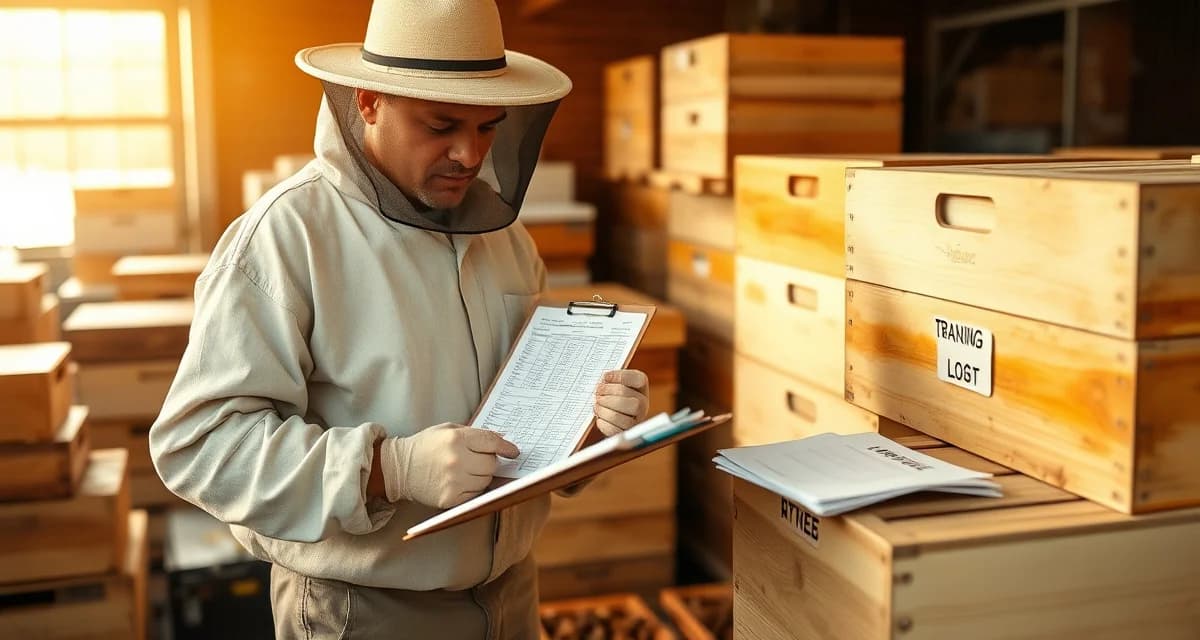
Hive Transportation Log for Commercial Beekeepers
State inspection violations tied to missing transport records cost beekeepers an average of $1,200 per incident. For migratory operators crossing 3 to 5 state lines per season, the cumulative cost of non-compliant transport documentation (fines, quarantine delays, and the operational cost of being held at a state border) substantially exceeds the effort required to maintain complete transport logs.
PollenOps maintains a searchable GPS transportation log across multiple seasons. Every hive move records origin yard, destination yard, hive count, driver, move date, and associated contract. The log exports as a formatted PDF for state inspectors or grower compliance audits, and the GPS coordinates are embedded in each record so move routes are verifiable rather than self-reported.
TL;DR
- Moving 1,000 hives to almonds requires 2-3 truck loads, with fuel costs of $3,500-5,000 per run at current California diesel prices.
- Loading at night when bees are clustered inside reduces escape and minimizes defensive behavior during transport.
- GPS-confirmed yard coordinates, not just addresses, should be in every contract to prevent access failures on delivery night.
- Load planning that sequences multiple drops on a single truck run reduces total miles driven per hive.
- fleet logistics coordination -- vehicle assignments, load manifests, and crew scheduling -- requires a structured system at 500+ hives.
What a Complete Transport Log Includes
State inspection requirements for transport logs vary, but a complete record that satisfies all major state requirements includes:
Origin location: GPS coordinates and address of the yard hives were moved from. Not just "Fresno County" but the specific yard GPS coordinates.
Destination location: GPS coordinates and address of the yard hives were delivered to.
Move date and time: When hives departed the origin and when they arrived at the destination. The timestamp is automatically captured in PollenOps when the driver completes the check-in at the destination yard.
Hive count moved: Number of colonies in the shipment. If a shipment moves in multiple loads, each load is a separate log entry.
Driver identification: Who operated the transport vehicle. For multi-driver operations, each driver's moves are attributed to them in the log.
Health certificate reference: The certificate of inspection number and issuing inspector for interstate moves. PollenOps allows you to attach the certificate document to the move record for a complete paper trail.
Associated contract: Which grower contract the move is associated with. This links transport records to contract compliance documentation so that a grower or state inspector can trace any delivery back to the contract it was made under.
GPS Verification vs. Self-Reported Logs
The difference between a GPS-verified transport log and a hand-written log is the difference between a contemporaneous record and a reconstruction. A hand-written log completed after the fact is vulnerable to error and less credible in a dispute or inspection than a GPS record captured at the moment of arrival.
PollenOps transport logs capture GPS coordinates automatically when the driver completes the destination check-in through the mobile app. The driver doesn't manually enter coordinates; they check in at the yard, and the app records their GPS position at that moment. The timestamp and coordinates are immutable once captured and can't be edited retroactively.
For state border inspections, a GPS-verified transport log shows not just what the driver claims to have done but what the device's location records show actually happened. This is a materially different evidentiary standard from a paper log.
Searching Transport History
For a migratory operator making 60 to 80 yard moves per season, a searchable log is essential. You need to be able to answer questions like:
- "Where were these 50 hives in March?" (for an organic grower's certifier)
- "When did hives first arrive at Grower X's site?" (for an invoice dispute)
- "Which driver moved hives to the Sacramento yard on February 18?" (for a delivery accountability question)
- "How many total moves did we make to Kern County this season?" (for cost accounting)
PollenOps transport log search filters by date range, origin yard, destination yard, driver, contract, and hive count. A query that would take 20 minutes to answer by scrolling a paper log takes seconds in the filtered search.
The transport log also integrates with the hive movement tracking system for overall fleet logistics visibility. For state compliance documentation, see hive transport compliance.
When Transport Logs Matter Most
State border crossings: Arizona, California, Florida, Michigan, and Washington are among the states that actively inspect incoming hive shipments, particularly during high-volume seasons. A transport log that shows clean health certificate documentation and a complete movement history is the document that clears you at the border. A missing or incomplete log can result in quarantine while documentation is located or a fine for non-compliant movement.
Contract disputes: If a grower claims hives arrived late, the transport log showing the GPS arrival timestamp at the contracted yard on the contracted date is your evidence. If a grower claims hives were moved before the contracted removal date, the transport log shows exactly when hives departed.
Insurance claims: If hives are damaged in transit, your transport log documents the move that caused the damage. For pesticide exposure claims, the transport log shows exactly where colonies were in the weeks preceding the exposure event.
Organic certification audits: Organic growers' certifiers may review transport logs as part of the grower's annual certification audit to verify that bees placed on their operation came from yards without prohibited pesticide applications.
Frequently Asked Questions
How do I maintain a transportation log for state compliance?
Use PollenOps transport log entries for every hive move rather than maintaining a separate paper log. When hives depart a yard, record the move in PollenOps with the origin GPS, destination GPS, hive count, and move date. When the driver arrives at the destination, the mobile app check-in captures the arrival GPS and timestamp automatically. For interstate moves, attach the health certificate to the move record in PollenOps by uploading the certificate PDF or photo to the associated move entry. At any time, you can export the full transport log for a date range as a formatted PDF that satisfies state inspection documentation requirements. For states that require advance notice of hive movements (some states require notification before interstate shipments), PollenOps move records serve as the basis for that notification.
What information should a hive transportation log include?
A complete hive transportation log should include origin location (GPS coordinates and physical address), destination location (GPS coordinates and physical address), departure date and time, arrival date and time, number of hives in the shipment, driver name, vehicle identification, health certificate number and issuing inspector for interstate moves, and the associated grower contract if the move is a delivery or removal. Some states also require the origin state's apiary registration number. PollenOps captures all of these data points automatically from the driver's mobile app check-in and the associated contract and compliance records. The export format includes all required fields in a layout that state inspectors recognize.
Can I export PollenOps transportation logs for a state inspection?
Yes. The PollenOps transport log exports as a formatted PDF for state inspection purposes. The export includes all move records for your selected date range, with origin and destination GPS coordinates, hive counts, move dates, and driver attribution. For inspectors who require a specific format, the export can be customized to match the state's preferred documentation structure. For health certificate documentation, the attached certificate PDF is included in the full export record. If you're stopped at a state border inspection station, you can pull up the relevant transport records from the PollenOps mobile app on your phone and show the inspector the digital record, or email the export PDF from the app in the field without returning to the office.
What is the standard approach for loading hives for overnight transport?
Load at night when bees are clustered inside, after temperatures have dropped below 60 degrees Fahrenheit. Secure entrances with foam or screened netting to prevent bee escape during transit. Use ventilation boards between layers for stacked hives to prevent heat buildup. Drive overnight to take advantage of cooler temperatures, which reduces stress on colonies during transport. Confirm GPS coordinates and truck access routes for every delivery yard before departure.
How do you track fleet movements and hive assignments across multiple delivery stops?
The practical requirement is a system that connects each truck assignment to specific hive pallets, which connect to specific yard locations, which connect to specific grower contracts. Paper manifests and phone calls work for a single delivery, but a 20-yard almond placement across 10 growers and 3 trucks requires digital coordination. PollenOps fleet module tracks load assignments, delivery sequencing, and yard confirmation in the same system as your contracts and health records.
What DOT requirements apply to commercial beekeeping trucks?
Commercial beekeeping vehicles hauling hives are subject to DOT regulations for commercial motor vehicles, including driver hours of service requirements, commercial driver license requirements for vehicles over 26,001 pounds GVWR, and vehicle inspection requirements. Some states have additional agricultural exception provisions that may apply to beekeeping operations. Consult with a transportation compliance specialist familiar with agricultural operations before your first large-scale move.
Try These Free Tools
Sources
- USDA Agricultural Research Service
- Bee Informed Partnership
- American Beekeeping Federation (ABF)
- USDA Animal and Plant Health Inspection Service (APHIS)
- American Honey Producers Association
Get Started with PollenOps
Moving hundreds of hives across multiple counties or states requires logistics coordination that goes beyond what a spreadsheet can manage reliably. PollenOps handles load planning, route scheduling, and crew assignments alongside your contract and yard records so your fleet operations are organized before the truck rolls.